(1) The method of confirming that the lower end of the double J tube is in the bladder during the operation:
① After the catheter is placed, there is resistance to gently pulling the catheter, and it retracts into the ureter quickly after releasing it.
②The catheter enters the back hole of the bladder and urine flows out.
③Inject methylene blue into the bladder, squeeze the lower abdomen, and blue liquid flows out from the side hole.
④ Intraoperative X-ray or cystoscopy confirmed.
(2) In order to avoid the occurrence of complications, attention should also be paid to:
①Choose different types and good quality double-J tubes according to different patients, and estimate the position and length of the upper or lower double-J tubes according to the position of the stones on the intravenous pyelogram before surgery.
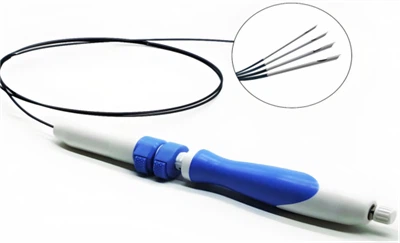
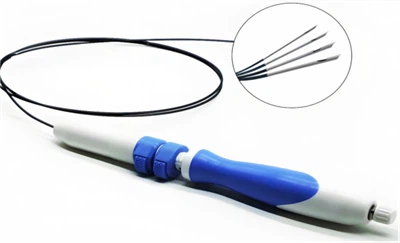
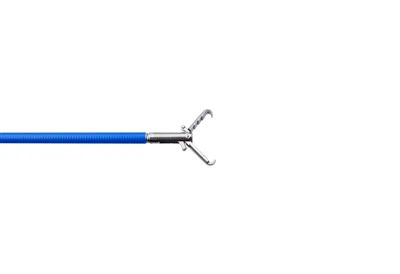
② The No. 1 silk thread is sewn at the end of the double J tube. After the upward movement, the silk thread can be clamped by the cystoscope and the double J tube can be taken out, so as to avoid the pain and economic loss caused by the operation, ureteroscopy and other methods to the patient.
③ X-ray or B-ultrasound to understand the position of the double J tube, and adjust the position of the double J tube through the cystoscope if necessary.
④ Long-term placement of double-J tubes should be replaced regularly to avoid the formation of stones. Ask the patient to drink plenty of fluids to reduce urinary salt deposition.
In conclusion, the longer the indwelling time of the double J catheter, the higher the incidence of complications, so it should be removed in time. Generally, the indwelling tube is 4 to 6 weeks after the operation. For those who really need a long-term indwelling tube, it should be replaced every 2 to 3 months. In addition, postoperative follow-up is also very important, intraoperative indwelling double-J catheter is easy to miss the follow-up, and if the follow-up is not timely, complications or complicated stones may cause difficulty in removing the catheter, which not only increases the physical and economic benefits of the patient.
Therefore, a strict follow-up system must be established: the operation records should be written with a built-in double-J tube; during the postoperative rounds, the patients and their families should be explained to the patients and their families that there are built-in double-J tubes, explaining the function and precautions ; The doctor's order in the discharge medical record should indicate the time of the follow-up visit and take the tube, and ask to drink more water.