
With the continuous progress of endoscopy technology, digestive and urinary endoscopy has gradually developed from a simple diagnostic tool to a "diagnosis and treatment integration" device, and its clinical application scope has been continuously expanded. The innovation of endoscopic treatment technology has not only replaced many traditional open surgeries, but also brought new treatment options for patients with complex digestive and urinary diseases, significantly improving the treatment effect and quality of life of patients. From minimally invasive resection of lesions to interventional treatment of complex diseases, digestive and urinary endoscopy is constantly expanding the boundaries of clinical treatment.
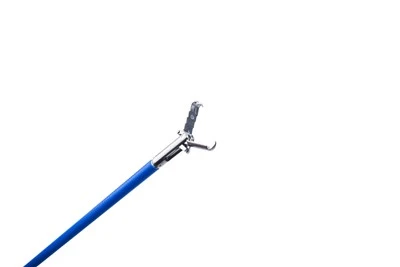
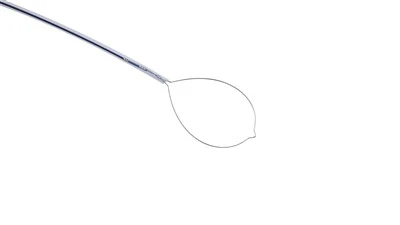
In the field of gastroenterology, endoscopic treatment has become the first choice for many diseases. For example, endoscopic mucosal resection (EMR) and endoscopic submucosal dissection (ESD) can be used for the minimally invasive resection of early gastric cancer, intestinal polyps and other lesions. Compared with traditional open surgery, this kind of treatment has the advantages of small trauma, fast recovery, less bleeding and low complication rate. Patients can be discharged from the hospital in 1-3 days after the operation, which greatly reduces the pain and economic burden of patients. In addition, endoscopic hemostasis technology (such as hemostatic clips, argon plasma coagulation) can quickly stop bleeding from gastrointestinal bleeding, avoiding the risk of rebleeding and reducing the need for blood transfusion.
In urology, endoscopic treatment has also achieved remarkable results in the treatment of various diseases. Ureteroscopic lithotripsy (URL) and percutaneous nephrolithotomy (PCNL) are minimally invasive treatment methods for urinary calculi, which can break and remove stones through the natural lumens of the human body or small incisions, avoiding the large trauma of traditional open stone removal surgery. For patients with bladder cancer, transurethral resection of bladder tumor (TURBT) can remove the tumor through the urethra, and combined with postoperative adjuvant treatment, the recurrence rate of bladder cancer can be effectively reduced. In addition, endoscopic treatment can also be used for the treatment of ureteral stricture, renal cyst and other diseases, with significant clinical effect.
In recent years, with the integration of new technologies such as robot technology, 3D imaging technology and laser technology, digestive and urinary endoscopic treatment has ushered in new development opportunities. Robot-assisted endoscopy has the advantages of flexible operation, high precision and stable performance, which can complete complex endoscopic operations that are difficult to be completed by manual operation. For example, the da Vinci surgical robot can be used for endoscopic resection of complex gastrointestinal tumors and urinary system tumors, which further improves the accuracy and safety of the operation. 3D endoscopic imaging technology can provide clinicians with a three-dimensional visual field, helping them better grasp the location and shape of lesions, and improve the success rate of the operation. Laser technology, as a new minimally invasive treatment method, can be used for the treatment of urinary calculi, gastrointestinal polyps and other diseases, with the advantages of fast treatment speed and less damage to surrounding tissues.
However, the clinical application of endoscopic treatment still faces some challenges. First, endoscopic treatment requires high professional skills of clinicians, and the training cycle is long, which limits the popularization of endoscopic treatment in primary medical institutions. Second, some complex lesions (such as large tumors, severe ureteral stricture) still cannot be completely treated by endoscopic methods, and need to be combined with open surgery or other treatment methods. Third, the long-term effect of some endoscopic treatments is not clear, and long-term follow-up is needed to evaluate the treatment effect.
Looking to the future, with the continuous innovation of endoscopic technology and the improvement of clinicians' professional skills, the clinical application scope of digestive and urinary endoscopy will be further expanded. The combination of endoscopic treatment and precision medicine will realize personalized treatment of patients, improving the treatment effect and reducing the occurrence of complications. At the same time, the popularization of endoscopic technology in primary medical institutions will be accelerated, allowing more patients to enjoy the benefits of minimally invasive treatment. It is believed that with the joint efforts of the medical industry, digestive and urinary endoscopic treatment will continue to make new breakthroughs, bringing new hope to patients with digestive and urinary diseases.