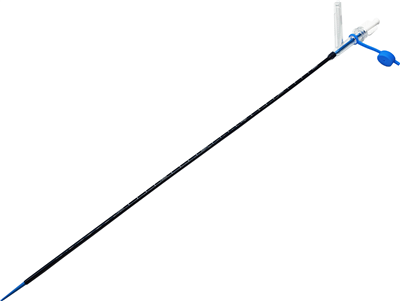

The disposable injection syringe consists of a syringe with a small hole at the front end and a matching piston core rod. Injectors are used to inject or extract small amounts of liquid into or from otherwise inaccessible areas. When the mandrel is pulled out, the liquid or gas is sucked from the small hole at the front end of the syringe, and the liquid or gas is squeezed out when the mandrel is pushed in. The process of drawing or injecting gases or liquids with syringes and syringes is called injection.
Disposable syringe barrels can be made of plastic or all-glass syringes, and usually have a graduated indication of the volume of liquid in the syringe. Glass syringes can be sterilized with an autoclave, but because plastic syringes are less expensive to dispose of, most modern medical syringes are made of plastic, which further reduces the risk of blood-borne diseases. The transmission of disease, especially HIV and hepatitis, among intravenous drug users has been linked to the reuse of needles and syringes.
Syringe barrels can be made of plastic or all-glass syringes, and usually have a graduated indication of the volume of liquid in the syringe. Glass syringes can be sterilized with an autoclave, but because plastic syringes are less expensive to dispose of, most modern medical syringes are made of plastic, which further reduces the risk of blood-borne diseases.
Test principle of the infusion bag permeability tester: using the principle design of the differential pressure method, the pre-treated sample is placed between the upper and lower test chambers, and a constant pressure difference is formed on both sides of the sample, and the gas is in the pressure difference. Under the action, the high-pressure chamber penetrates into the low-pressure chamber through the membrane, and the barrier parameters of the tested sample can be calculated by monitoring the pressure change of the low-pressure chamber.