
Endoscopic History

In the past, diagnosing and treating medical conditions that required accessing the internal body parts present in the gastrointestinal tract, respiratory system, or bladder required invasive surgical procedures. Thanks to endoscopy, the story is different today. This technology has revolutionized the medical field, making procedures less invasive and more precise, thus improving patient outcomes.

Early Stage
The art of endoscopy dates back to over a century ago. Kussmaul introduced an illuminated instrument, which he called an esophagoscope, that he used to align with an obstruction in the esophagus. In 1869, Adolf Kussmaul, one of the pioneers of endoscopy, used his invention to visualize the stomach in a live human, facilitating gastric fluid suction that helped in diagnosing gastric diseases. Furthermore, in 1897, a gynecologist called Johann von Mikulicz Radecki introduced his endoscope modifications, allowing better visualization and in due course, improved diagnoses. In 1901, Hirschowitz introduced a flexible and shorter instrument, utilized to visualize the stomach.
Developement

In the contemporary world, endoscopy technology has improved significantly. With the advent of digital imaging technologies, endoscopy facilitated new diagnostic techniques and procedures, improved precision, and reduced the need for surgical interventions. Furthermore, in 1950, Harold Hopkins introduced the glass rod lens system. Later on, this system led to the development of endoscopes with superior image quality, using new materials, and utilizing advanced optical technology.
Developement of Consumables
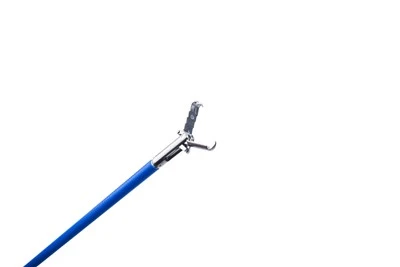
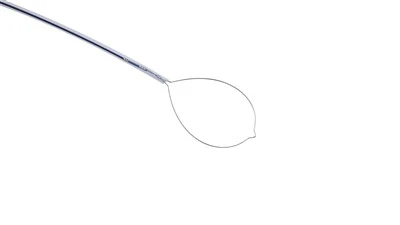
Endoscopy devices require consumables to function, and thus, the development of these consumables is crucial to evolving endoscopy technology. The early endoscopy consumables were reusable, significantly limited in scope because of technical difficulties surrounding instrument sterilization. In 1969, sterilization limitations were addressed with the advent of Olympus's disposable biopsy forceps. This reduced contamination risks that improved patient outcomes.
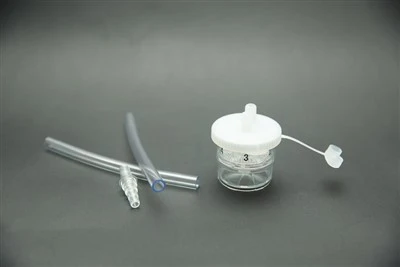
Additionally, endoscopy technology has been made better with the development of narrow-band imaging technology, enabling more precise diagnostic results in areas such as detecting pre-cancer polyps. Furthermore, advances in CO2 insufflation devices have improved patient outcomes by reducing the risk of pulmonary embolisms during a procedure with an endoscope. Therefore, endoscopy technology has continued to integrate with these advancements that lead to better patient treatment and outcomes.
MEDNOVA Medical have been
Conclusion
In a nutshell, the early developments in endoscopy instruments, the late technological advancements such as glass rod lens systems, digital imaging, and the advent of consumables, and its growth and integration with other technological advancements such as enhanced imaging technology demonstrate the history of endoscopy has been on a progressive path that positively impacts patients' wellbeing. Therefore, the future of endoscopy technology is expected to see even more exciting developments that will make medical interventions even less invasive, faster, and more accurate than before.