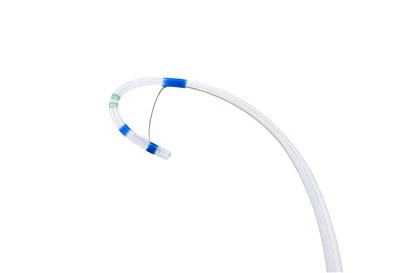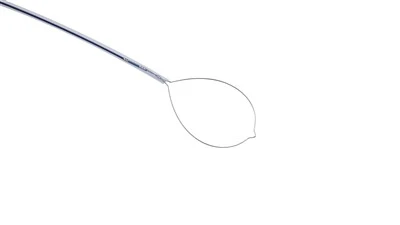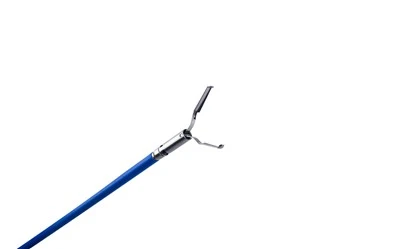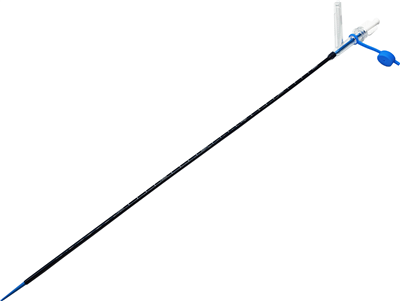

Grasping forceps, also known as surgical forceps, are common surgical instruments used during surgical procedures. These forceps are commonly used to grasp, hold, or manipulate tissues, organs, or surgical sutures.
Grasping forceps come in various shapes and sizes depending on their intended use. For instance, blunt forceps are commonly used to manipulate soft tissues, whereas thin, fine-tipped forceps are used for delicate operations like eye surgery.
Grasping forceps are also used to remove foreign bodies like glass pieces or splinters from the body. In such cases, the forceps are typically tapered and have pointed tips to enable them to grip the foreign body firmly.
Aside from surgical procedures, grasping forceps can also be used in dentistry to extract teeth. In this application, the forceps are designed with a special grip to hold the tooth being extracted without causing damage to surrounding structures.
Another medical application of grasping forceps is endoscopy procedures. Endoscopy is a diagnostic procedure that involves inserting a slender tube with a camera attached to it into the body to identify irregularities. In such procedures, grasping forceps are used to take a biopsy or remove a foreign object that may have been imaged during the endoscopy.
Grasping forceps can also be used in the field of embryology to manipulate embryos during in-vitro fertilization or other related procedures. The delicate forceps are used to manipulate and hold embryos in the correct position for manipulation and observation.
Grasping forceps are a common feature in most surgical procedures and offer a range of applications across several fields in medicine. As medical technology continues to evolve, the use of grasping forceps will continue to be a vital tool in the successful execution of surgical procedures and other medical interventions.