
A polyp is a small growth found in the lining of the colon, often discovered during a colonoscopy. Most polyps are benign, meaning they won't develop into cancer. However, a small number of polyps may turn cancerous over time. That's why it's essential to remove them before they have a chance to cause any harm.
During a colonoscopy, polyps can be removed by different methods, including snare removal and hot biopsy forceps. Another method is through the use of clips. But what size polyp requires a clip?
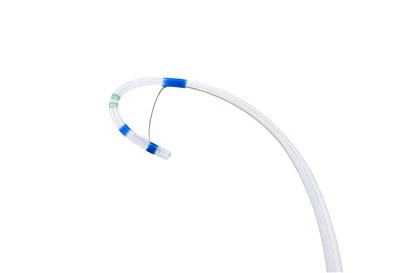
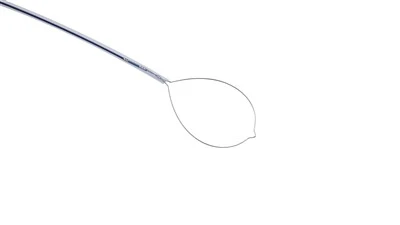
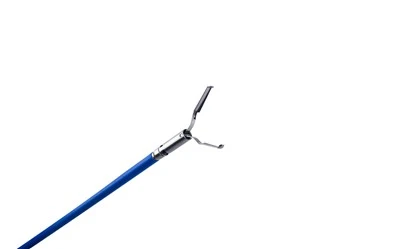
Polyps larger than 5 mm are removed using a snare wire, whereas polyps smaller than 5 mm are removed using hot biopsy forceps. Polyps that are flat or reside in a difficult to remove area are more likely to be removed using a clip.
The choice of method depends on the size and location of the polyp. If the polyp is small, it's less likely to have a stalk. Therefore, it's easier to grab it using hot biopsy forceps. If the polyp is round and has a stalk, it's easier to remove it using a snare wire.
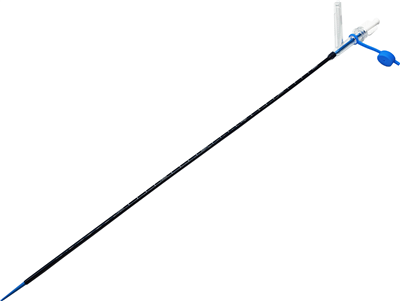
If the polyp is flat or resides in an area that's hard to reach, a clip may be a better option. A clip is a small metal device used to close a blood vessel or hold tissue in place. It can be attached to the base of the polyp, effectively closing off the blood supply and causing it to fall off.
Using a clip to remove a polyp is a safe and relatively straightforward procedure. It's also an effective way to remove a polyp in a difficult-to-reach location or one that could cause bleeding if removed with other methods.
A polyp's size determines which removal method is used. In the case of flat or hard-to-reach polyps, a clip may be the best option. It's always crucial to have regular colonoscopy screenings to detect and remove polyps early before they have a chance to become cancerous. With the right monitoring and removal methods, the chances of developing colorectal cancer can be significantly reduced.