
Polyps are growths that occur in the colon (large intestine) or rectum. Depending on their size, shape, location, and structure, they can be either benign (non-cancerous) or malignant (cancerous). Polyps can range in size from tiny, barely visible bumps to large, grape-like clusters that protrude from the intestinal wall.
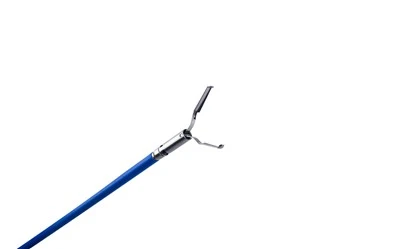
Polyps are typically detected during a colonoscopy, which is a procedure used to examine the inside of the colon and rectum for signs of cancer, polyps, and other abnormalities. During a colonoscopy, a doctor can use a variety of tools to remove polyps, including hot snare and cold snare techniques.
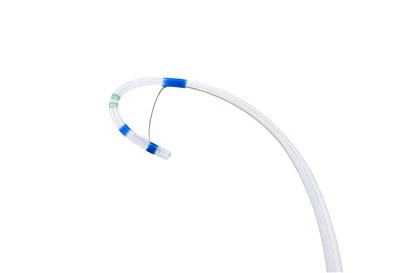
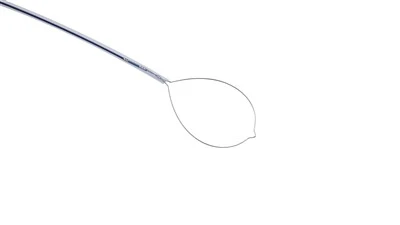
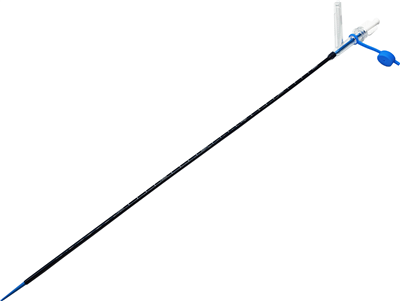
Hot snare polyp removal involves using a thin, wire loop that is heated with an electric current. The loop is used to cut and remove the polyp from the intestinal wall. Cold snare polyp removal, on the other hand, uses a similar wire loop, but it is not heated. Instead, the loop is used to sever the polyp from the wall without burning it.
So, which is better, cold snare or hot snare polyp removal? The answer is not a simple one, as it depends on several factors, including the size and shape of the polyp, the location of the polyp, the patient's health, and the doctor's expertise.
Generally speaking, cold snare polyp removal is considered safer and less likely to cause complications than hot snare removal. Cold snare is particularly effective for small, flat polyps, which can be easily removed without the need for heat. Cold snare also has a lower risk of bleeding and post-procedure pain, and it does not require the use of sedation or anesthesia.
Hot snare polyp removal, on the other hand, is more effective for larger, thicker polyps that may be more difficult to remove with a cold snare. Hot snare can also be used for polyps that are located in hard-to-reach places, such as around a bend in the intestine. However, hot snare does carry a higher risk of complications, such as bleeding, perforation (tearing of the intestinal wall), and thermal injury (burning of nearby tissue). Hot snare also requires sedation or general anesthesia, which can increase the risk of side effects.
Ultimately, the decision to use cold snare or hot snare polyp removal should be made on a case-by-case basis. Your doctor will consider several factors, including the size and shape of the polyp, its location, your medical history, and your preferences. Your doctor will also discuss the risks and benefits of each procedure with you, so that you can make an informed decision about your treatment.
Both cold snare and hot snare polyp removal are effective techniques for removing polyps from the colon and rectum. Cold snare is generally considered safer and less invasive, while hot snare is more effective for larger, thicker polyps. Ultimately, the best choice depends on the specifics of the patient's polyps and overall health, and is a decision that should be made in consultation with your doctor.